The Glorious Exhibition of Chinese Lingbi Stone
A report on the BCI (Fengyang, China) Stone Exhibition and 3rd Anhui Fine Bonsai Invitational Exhibition held April 26, 2025, highlighting over 600 rare stones, especially award-winning Lingbi stones from Anhui Province.
July 1, 2025
By Dongting (Tim) XuPublished in: BCI Bonsai & Stone Appreciation Magazine 2025 Q3
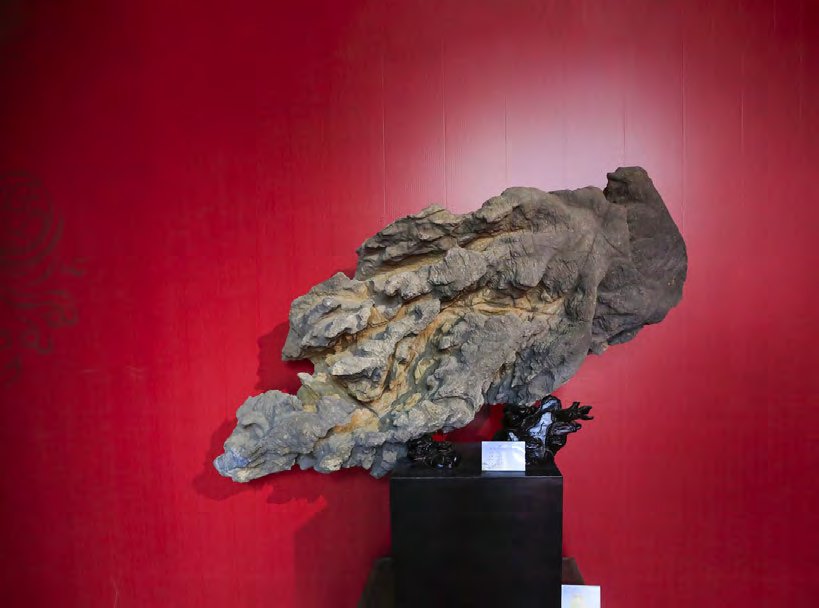
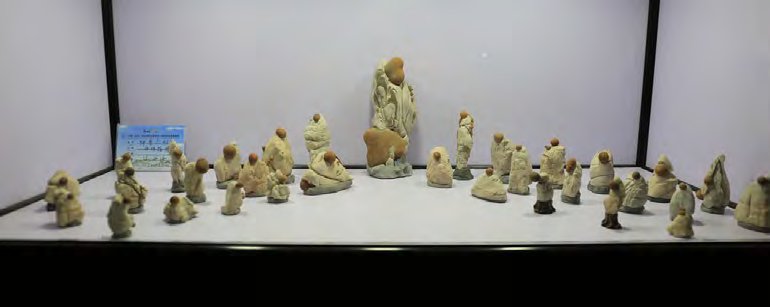
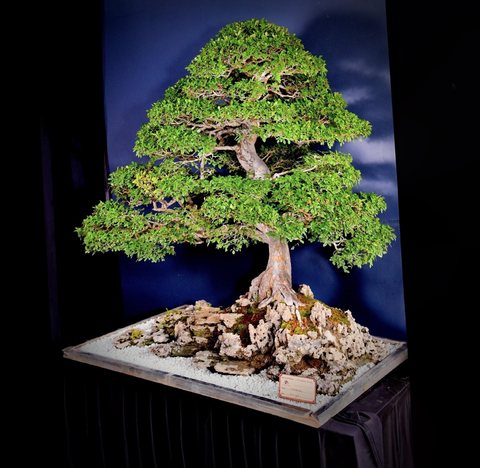
On April 26, 2025, Fengyang was the proud host of a grand artistic event: the BCI (Fengyang, China) Stone Exhibition and the 3rd Anhui Fine Bonsai Invitational Exhibition.
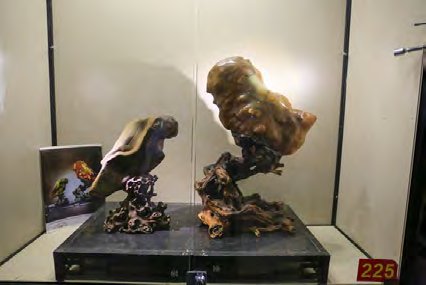
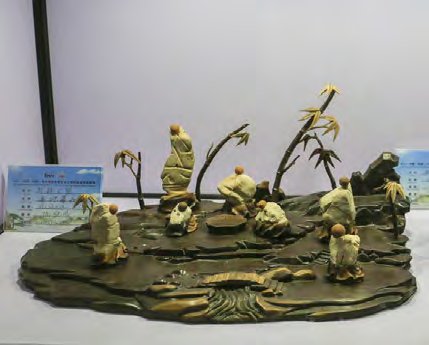
This remarkable gathering featured over 600 rare and exquisite stones from across the country. International bonsai masters also demonstrated their artistry live, offering audiences a true feast of natural beauty and human creativity in perfect harmony.
Among all the exhibited works, Lingbi stones made up a significant portion. Outstanding pieces by Shen Hongbing, Jin Baotong, and Wang Jian received the prestigious Special Gold Award. These works fully reflect the harmonious unity of craftsmanship and nature, vividly expressing the deep artistic spirit of Chinese stone appreciation.
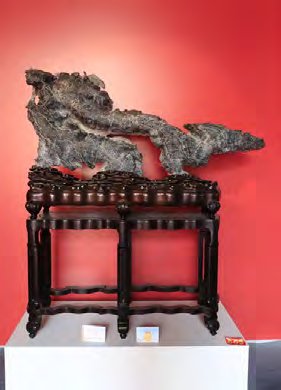
Lingbi stones, native to Lingbi County in Anhui Province, are celebrated as the premier example of China’s traditional stone appreciation culture. Known as the Number One of the Four Famous Ornamental Stones of China, Lingbi stones have a long and distinguished history dating back to the Warring States Period. The mention of “Sibin Floating Chimes” in the Book of History · Yu Gong indicates their importance as a material for imperial musical instruments.
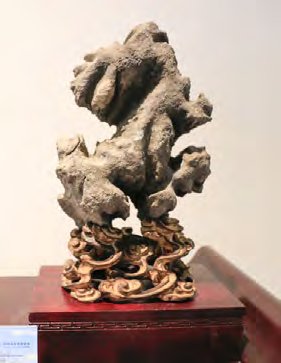
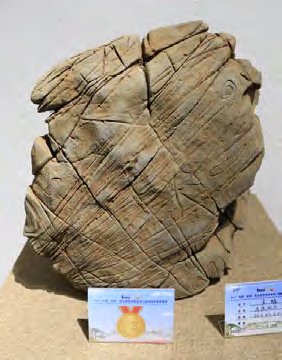
In the Tang Dynasty, poets like Bai Juyi helped introduce Lingbi stones to the literati and public. Their cultural glory peaked during the Song Dynasty: Emperor Huizong of Song collected them extensively for his “Genyue Garden”; the great Mi Fu established the aesthetic criteria of “thin, wrinkled, perforated, and transparent”; and Du Wan’s Yunlin Stone Catalogue ranked them first among all stone types. During the Ming and Qing dynasties, Lingbi stones became deeply integrated into garden art and the refined life of scholars. Emperor Qianlong praised them as “the Number One Stone under Heaven,” and literary masters such as Cao Xueqin and Pu Songling drew inspiration from them for their creations.
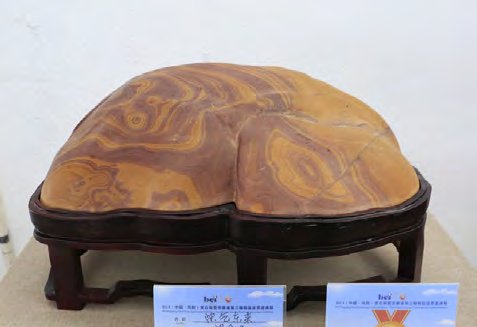
From their ancient role as imperial tribute to their current recognition as international symbols of artistic excellence, Lingbi stones bear witness to the enduring vitality and continuous innovation of traditional Chinese culture. Looking forward, with a careful balance between preservation and development, Lingbi stones will continue to shine with their unique and irreplaceable cultural brilliance.
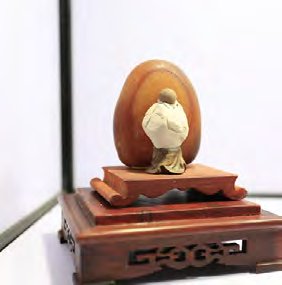
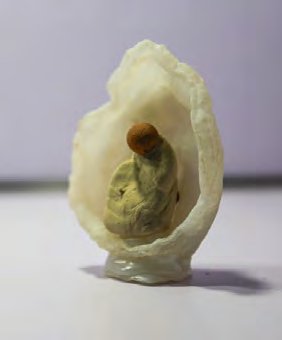
In addition, a new and captivating variety of ornamental stone from Dingyuan County, Anhui Province—the Buddha’s Pearl and Lotus left a profound impression on visitors. We look forward to presenting a special feature on this discovery in a future article.