Visiting a Grand Master of Bonsai in Taiwan
The author recounts a New Year visit to bonsai master Lee Chong Hong in Taichung, Taiwan, highlighting his artistic studio, tea ceremony hospitality, and prior impression from a demonstration in the Philippines.
By Budi Sulistyo · April 1, 2020
Published in: BCI Bonsai & Stone Appreciation Magazine 2020 Q2
Chinese New Year this year was on January 25. By tradition, the New Year is celebrated over 15 days. On February 5, Mr. Ho Xi Xiong, Mr. Huang Ching Fu, Mr. Ho Jan Lee, Mr. Jacky Shieh, Mr. Paul Lin, my wife Treis and I, went to pay a visit to Master Lee Chong Hong’s house in Tai Chung, Taiwan to wish him a happy new year. Mr. Lee will be a headliner at “Ultimate On Fire,” the BCI Regional Convention on August 8 to 10, 2020, in Indonesia.
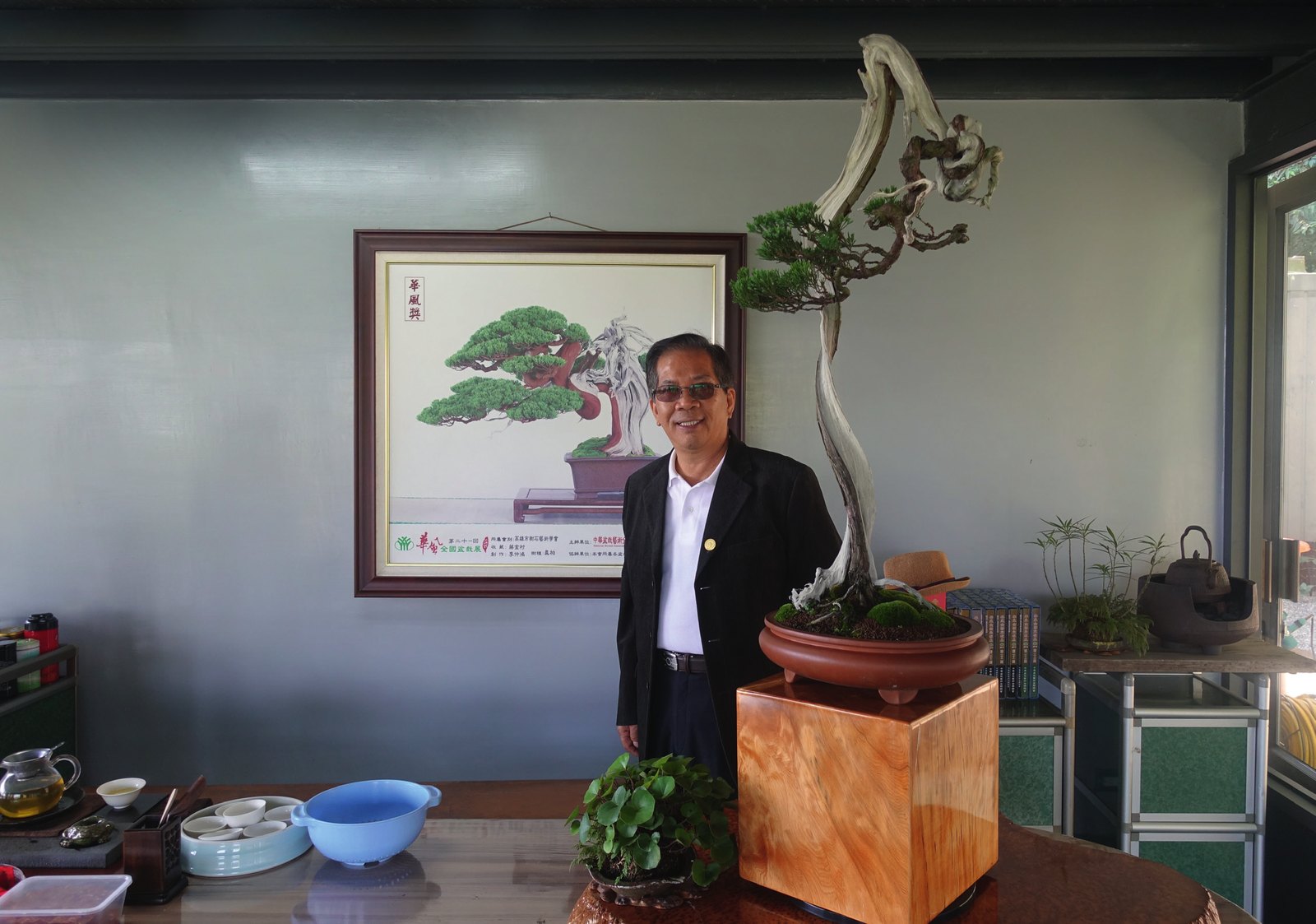
He and his wife accepted us in his tidy room that featured a traditional big Chinese table, complete with the tea ceremony equipment to serve his guests. He was dressed in a semi-formal western way, a bit different from other Chinese friends who we have visited. A lovely bonsai picture hung on the wall, and a tall literati juniper was set next to his chair. These gave a pleasant atmosphere to the room, a bit formal but artistic. As usual, excellent Chinese tea with some fruits and crackers was offered to all of us.
I have heard the name of Master Lee for a long time already. I saw his demonstration for the first time when I was in the Philippines during one bonsai Convention. At that time, he styled an old Maba buxifolia into a bonsai. I was impressed by his way of demonstrating. First, he drew the future of the bonsai he intended to make. And then he started to do the job. At that time, I got the impression that he was a really interesting bonsai master. I heard that, in fact, it was Master Lee who contributed the most to the growth of bonsai in the Philippines.
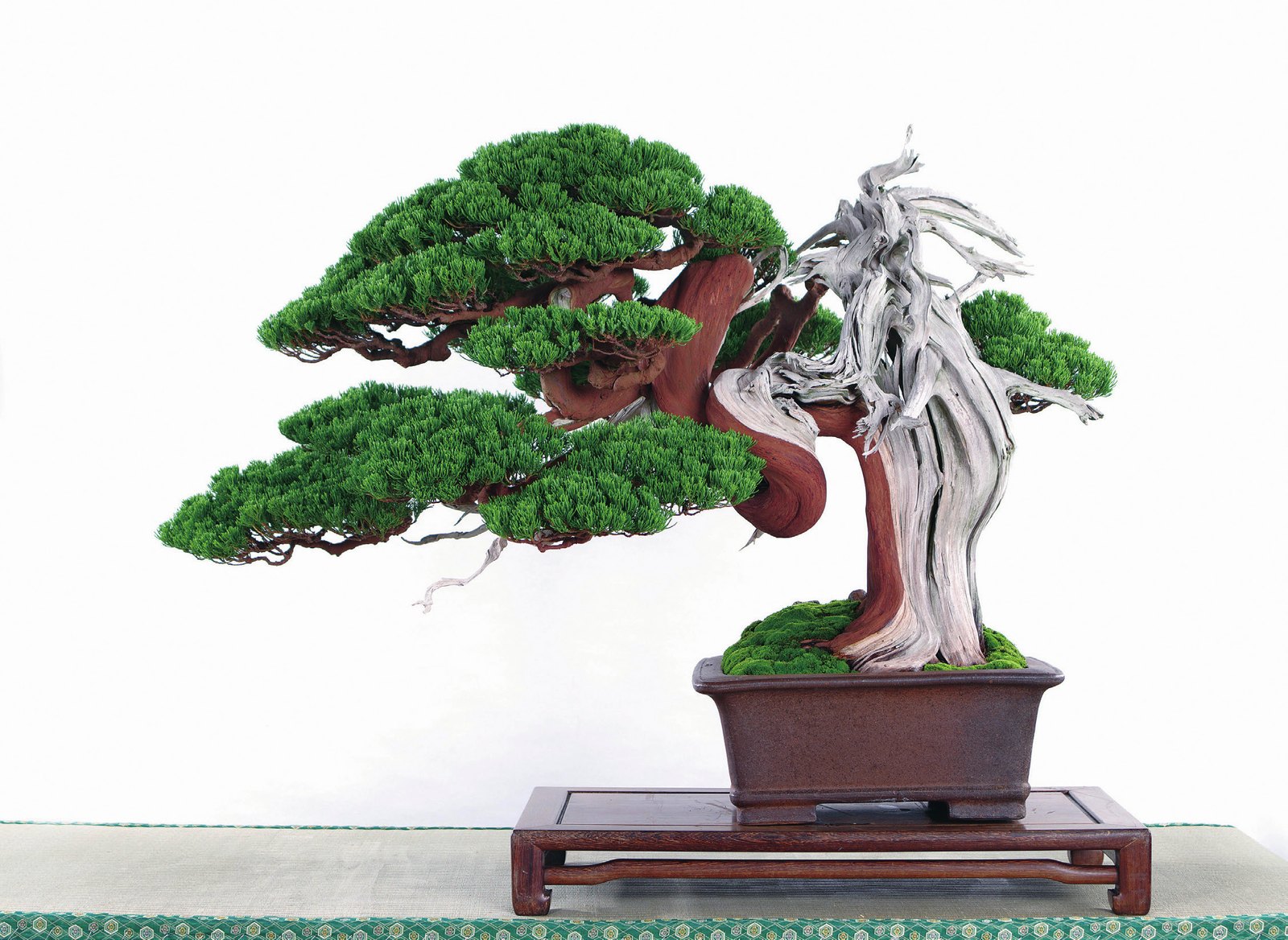
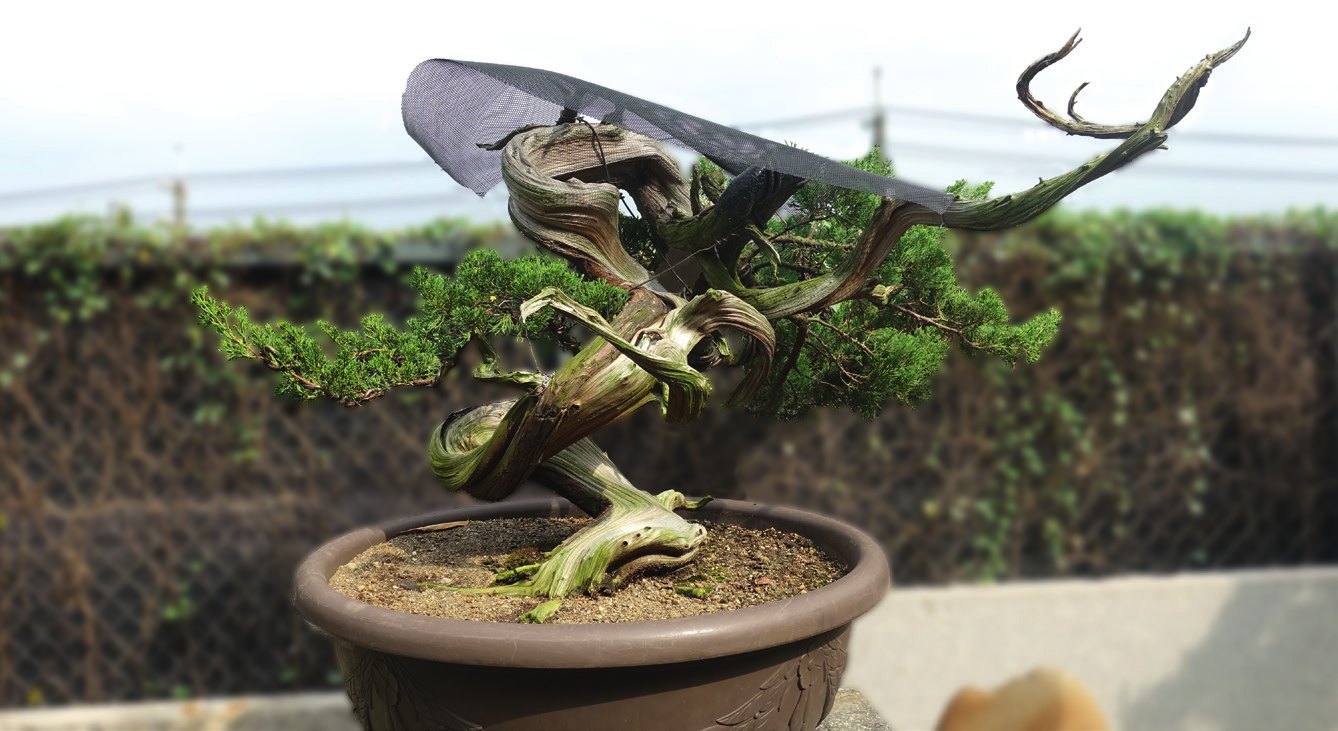
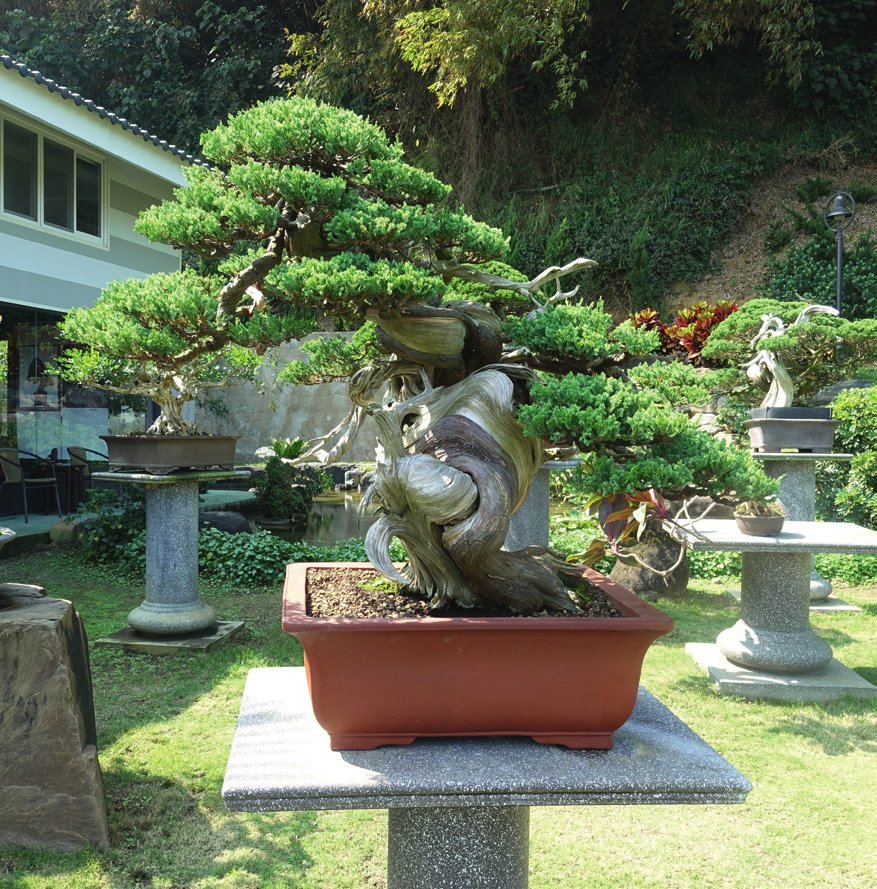
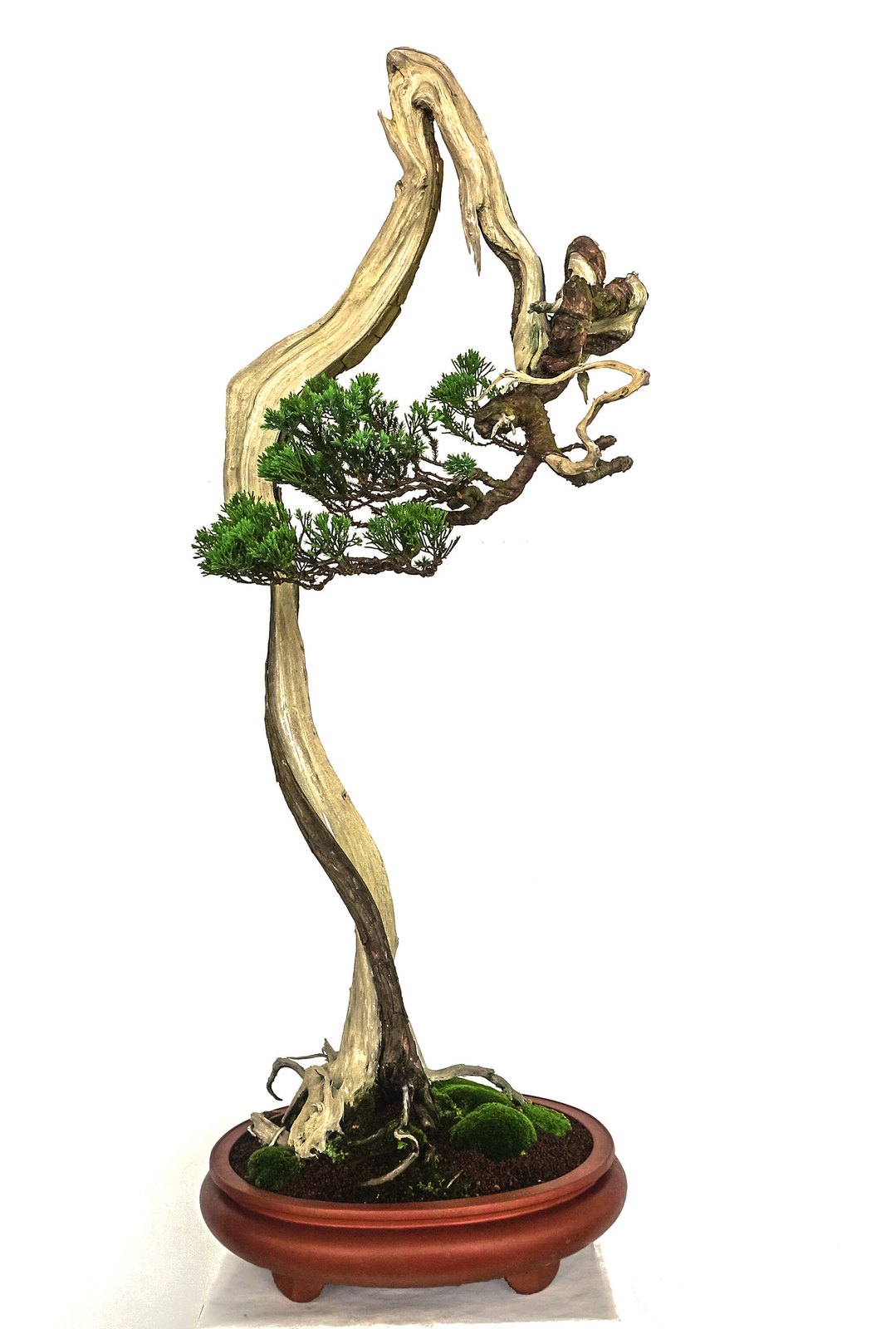
Master Lee, who was born in Nantou, Taiwan, in 1954, is a senior bonsai master in Taiwan. He is one of the originators of SiDiao or the Silk Fiber Carving method, a method used to create exquisite yamadori-style junipers from field-grown stock. SiDiao or Silk Fiber carving involves the manual carving of juniper or pine wood, pulling the individual fibers of the dead portions to reveal the natural grain, obtaining similar results to the decay and degradation of exposed wood that has been subjected to the elements of nature. Wood strands are individually pulled with the aid of chisels and pliers to achieve a natural finish. In a sense, the artist removes the impurities, just like a skilled jade- or diamond-cutter would expose the beauty within the raw gemstones.
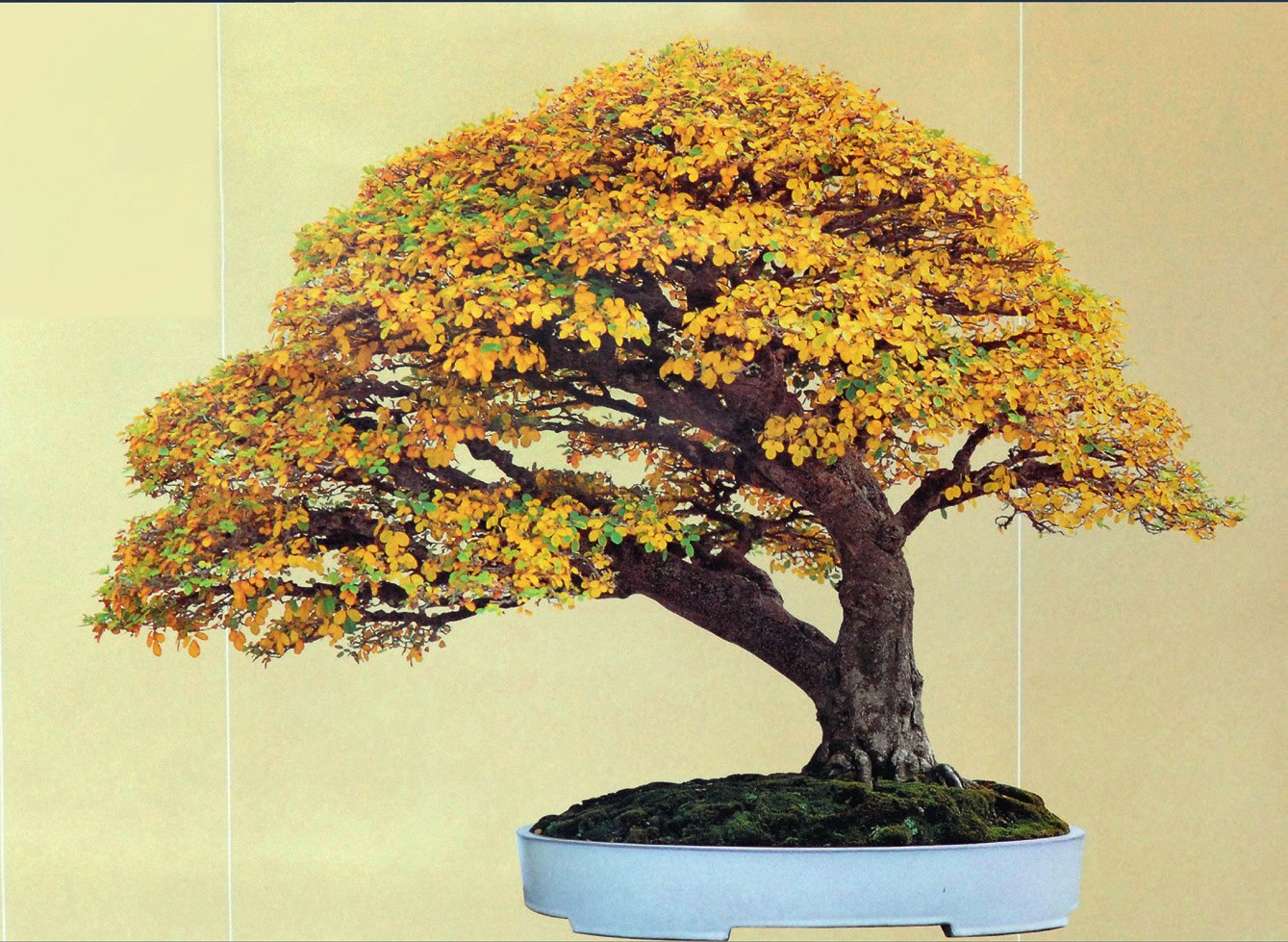
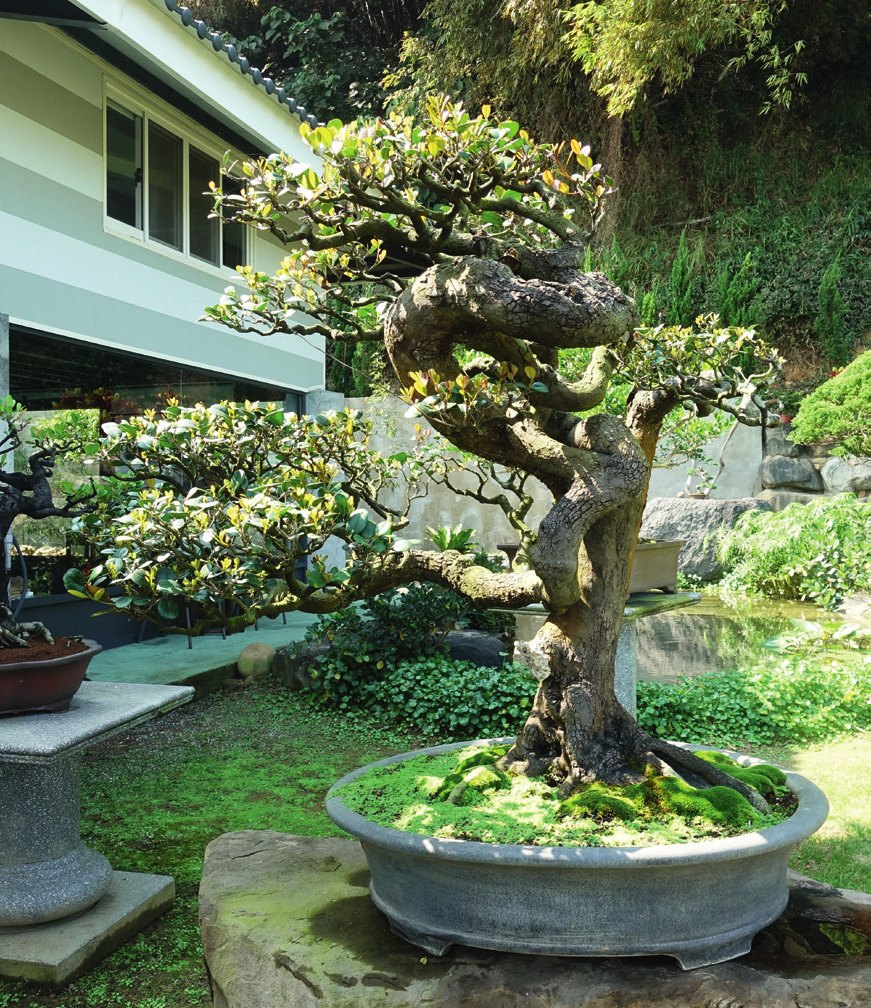
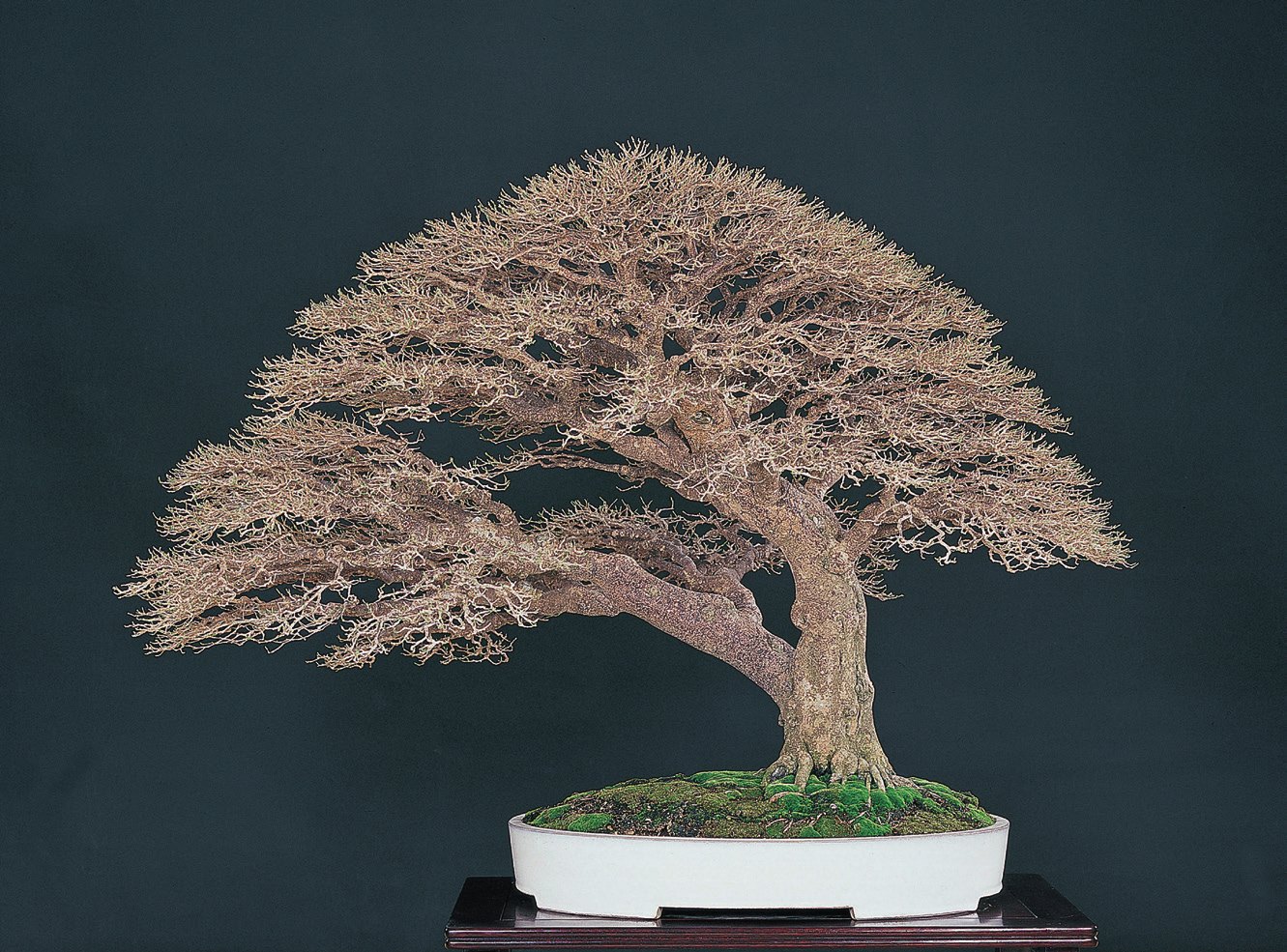
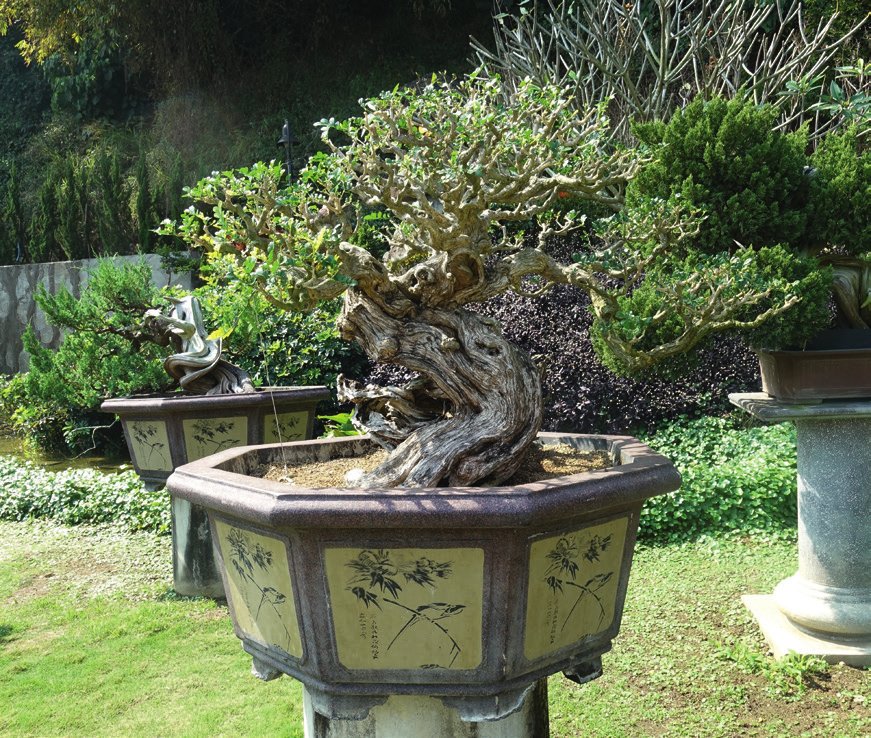
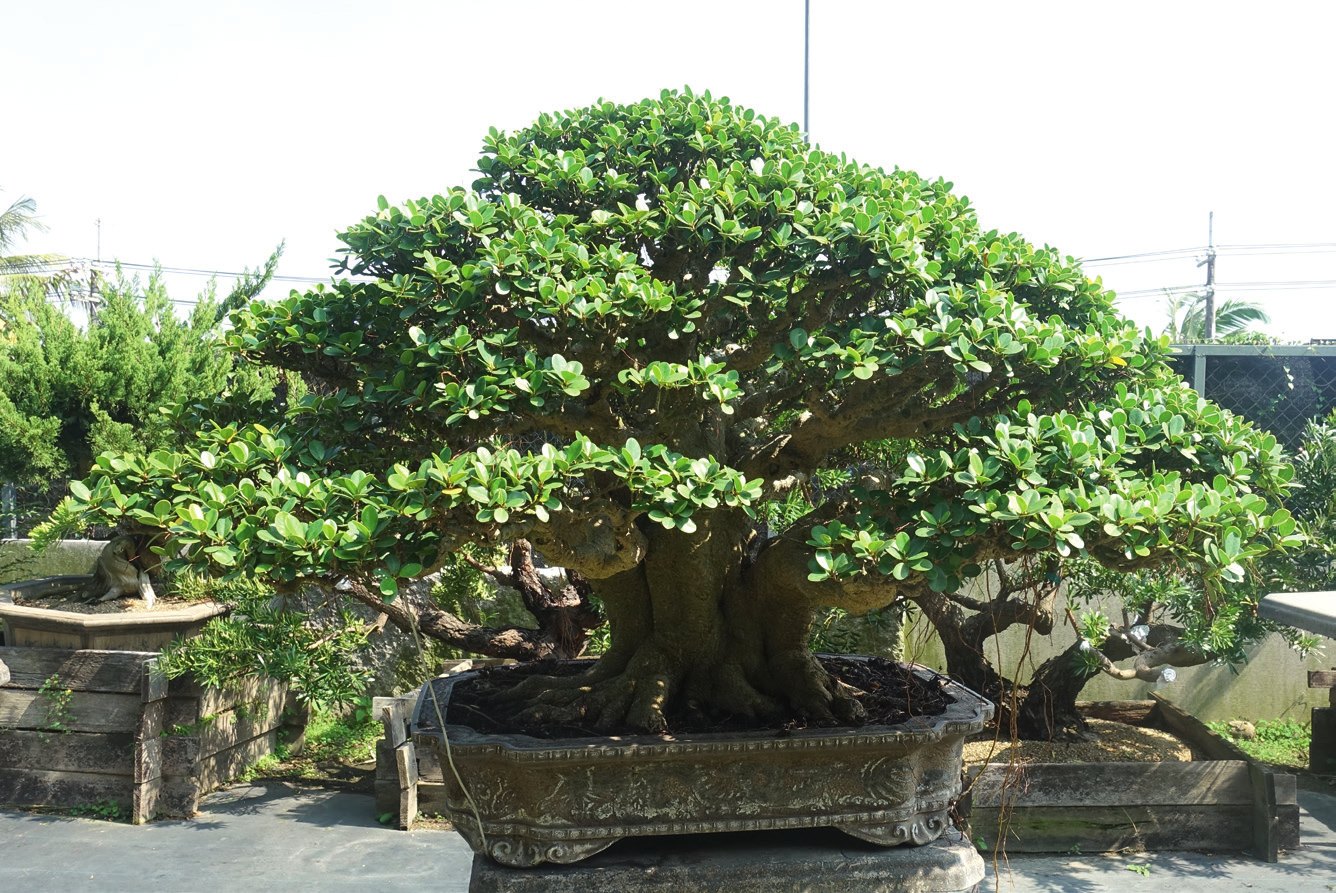
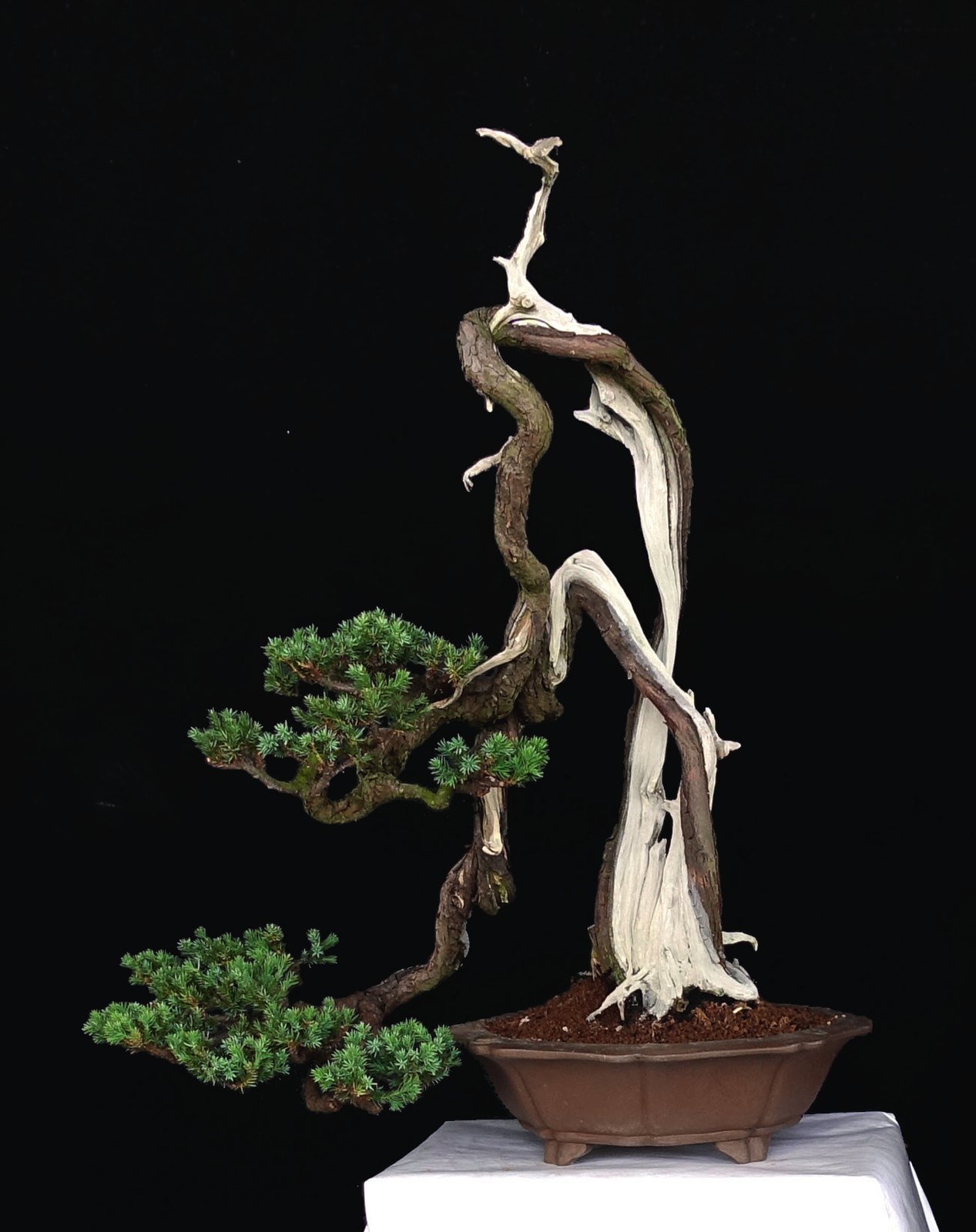
Mr. Lee is one of the originators of SiDiao or the Silk Fiber Carving method, a method used to create exquisite yamadori-style junipers from field-grown stock.
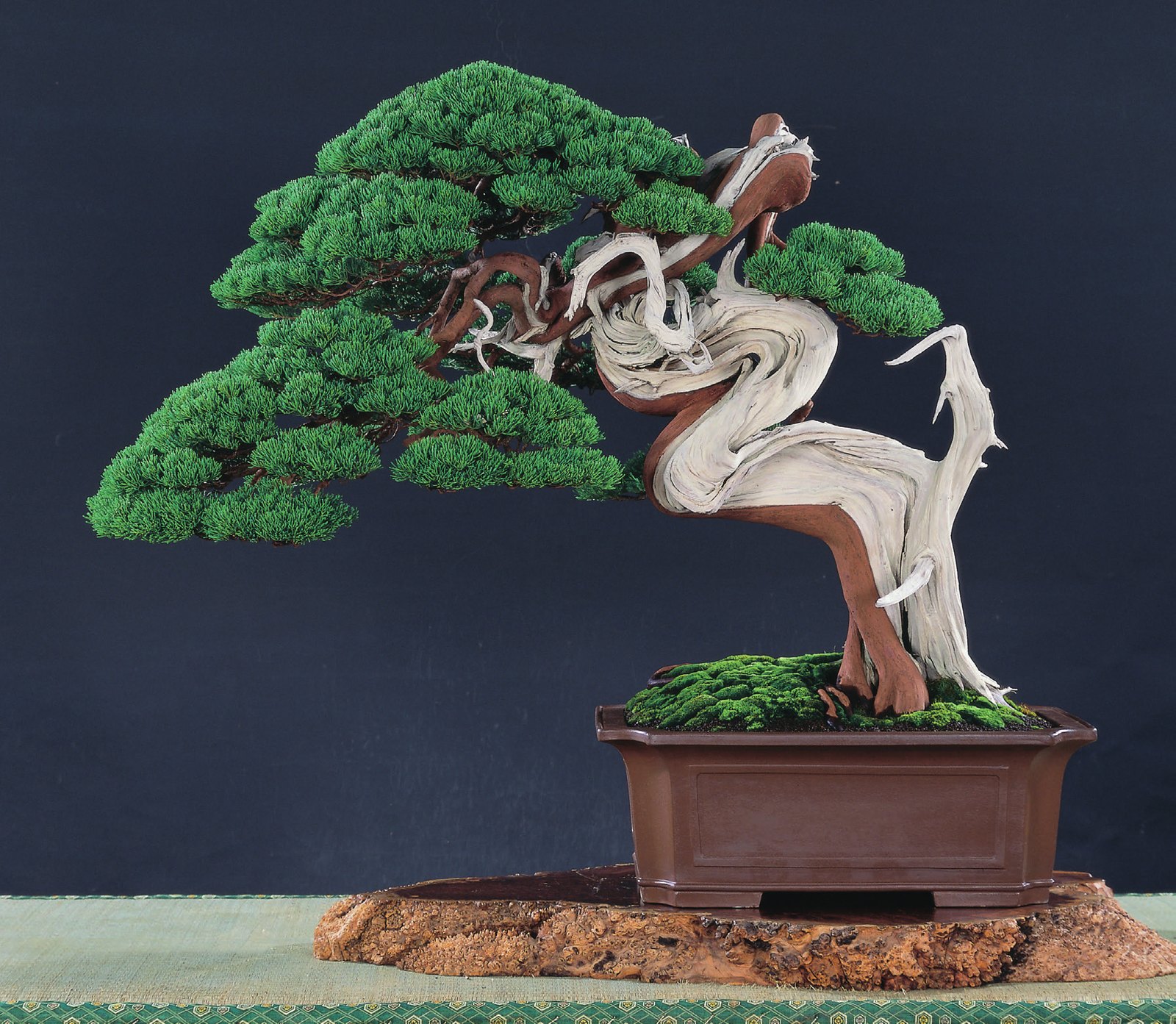
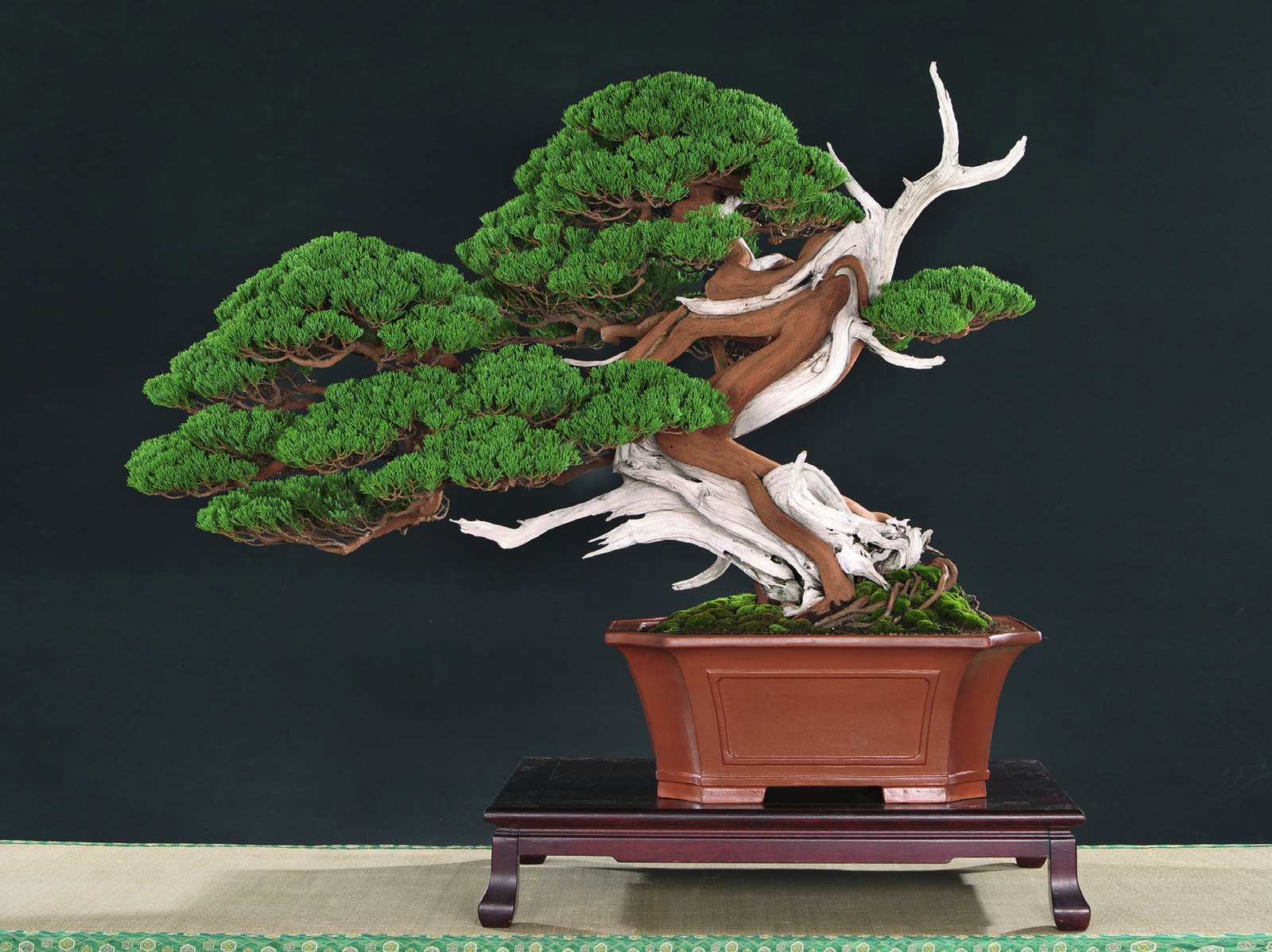
An expert on many species, including Ficus, Pemphis acidula, Ulmus, and Juniperus, his creations have won the Grand Prize award in TBCA (Taiwan Bonsai Creators Association) and Hwa Fong Exhibitions several times.
He has been invited to teach, evaluate, and demonstrate the skill of bonsai in Malaysia, Philippines, Singapore, China, Vietnam, and other countries. He also got several appointments as a technical consultant to the National Association of Chinese Potted Art and a current member of the evaluation committee of the China National Association of Bonsai Art Street. In 2005, he was hired by the China Bonsai Artists Association as a master of Chinese bonsai art. In 2019 he was appointed as the Technical Adviser of Vietnam Potting Association.
In 2019, during the ASPAC (Asia-Pacific) Convention in Vietnam, he was one of the headliners. He demonstrated on a big juniper by creating a lot of jin and shari on the tree. I also did my demonstration at the next table so that I had a chance to see what he was doing. After Vietnam, both of us went to the Philippines for a convention. I could see once more how good Mr. Lee did his demonstration. Later, I asked Mr. Lee to be our headliner in the BCI Regional Convention. I was delighted and grateful when he said yes.
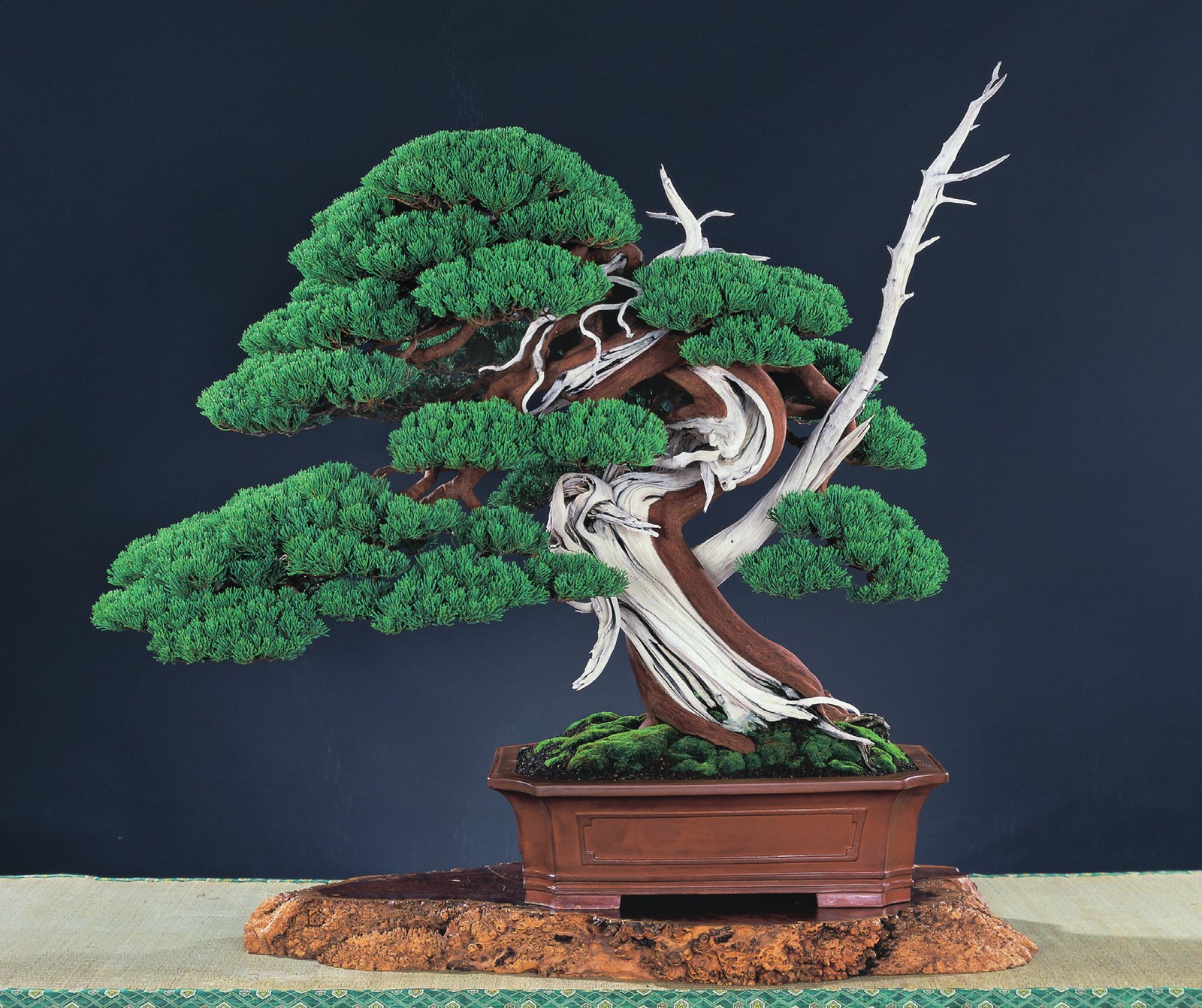
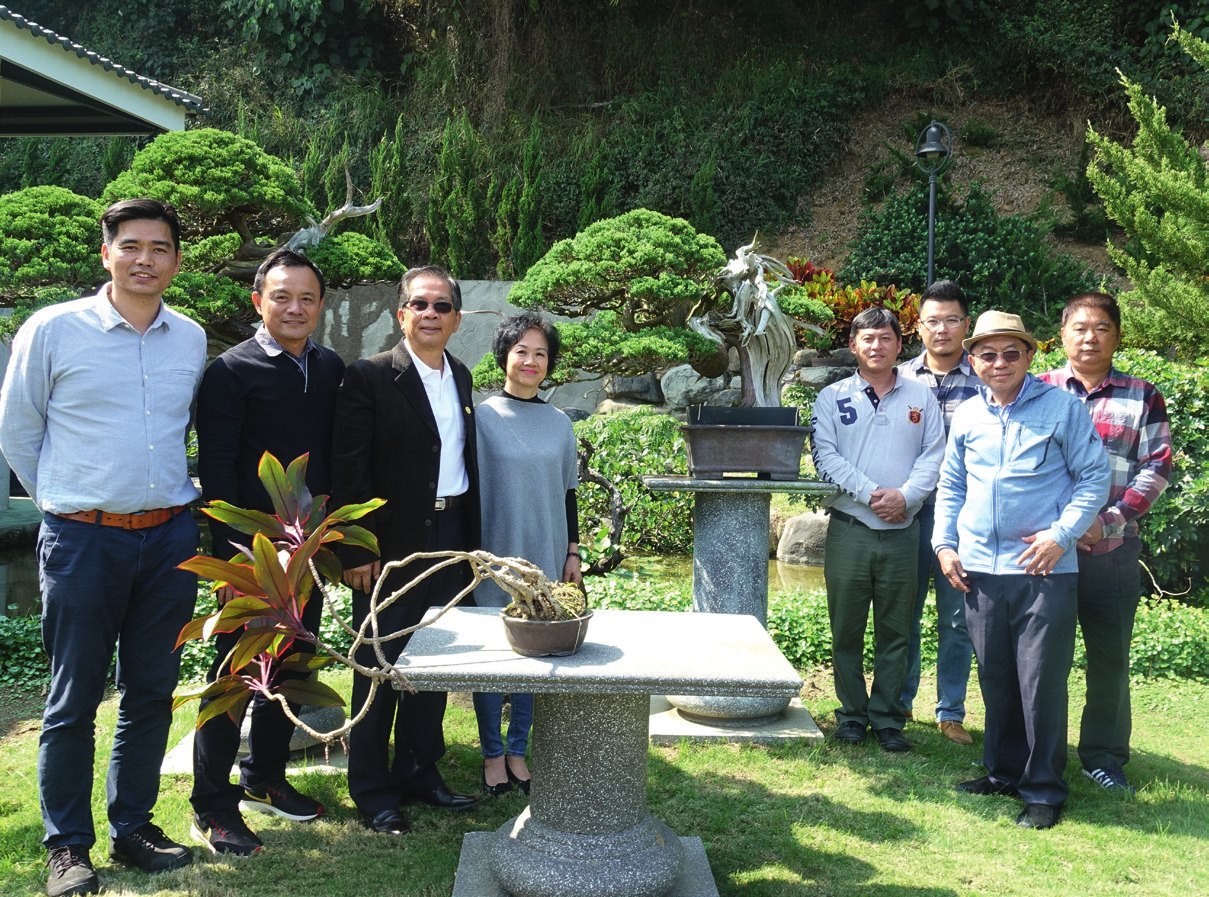
After drinking, eating, and having some conversations, we went outside to see the many trees in his garden. I noticed that there was a tree that looked familiar to me. It was a big juniper with jin and shari. Knowing that I paid attention to that tree, Mr. Lee mentioned that it was the tree used as the symbol of ASPAC in Vietnam that was held last November and featured in promotions for the BCI Convention 2017, Taiwan. It was just several months ago, that was the reason why the picture was fresh in my mind. Later on, I noticed that the bonsai picture in the room was, in fact, the ASPAC Vietnam symbol that he was very proud of.
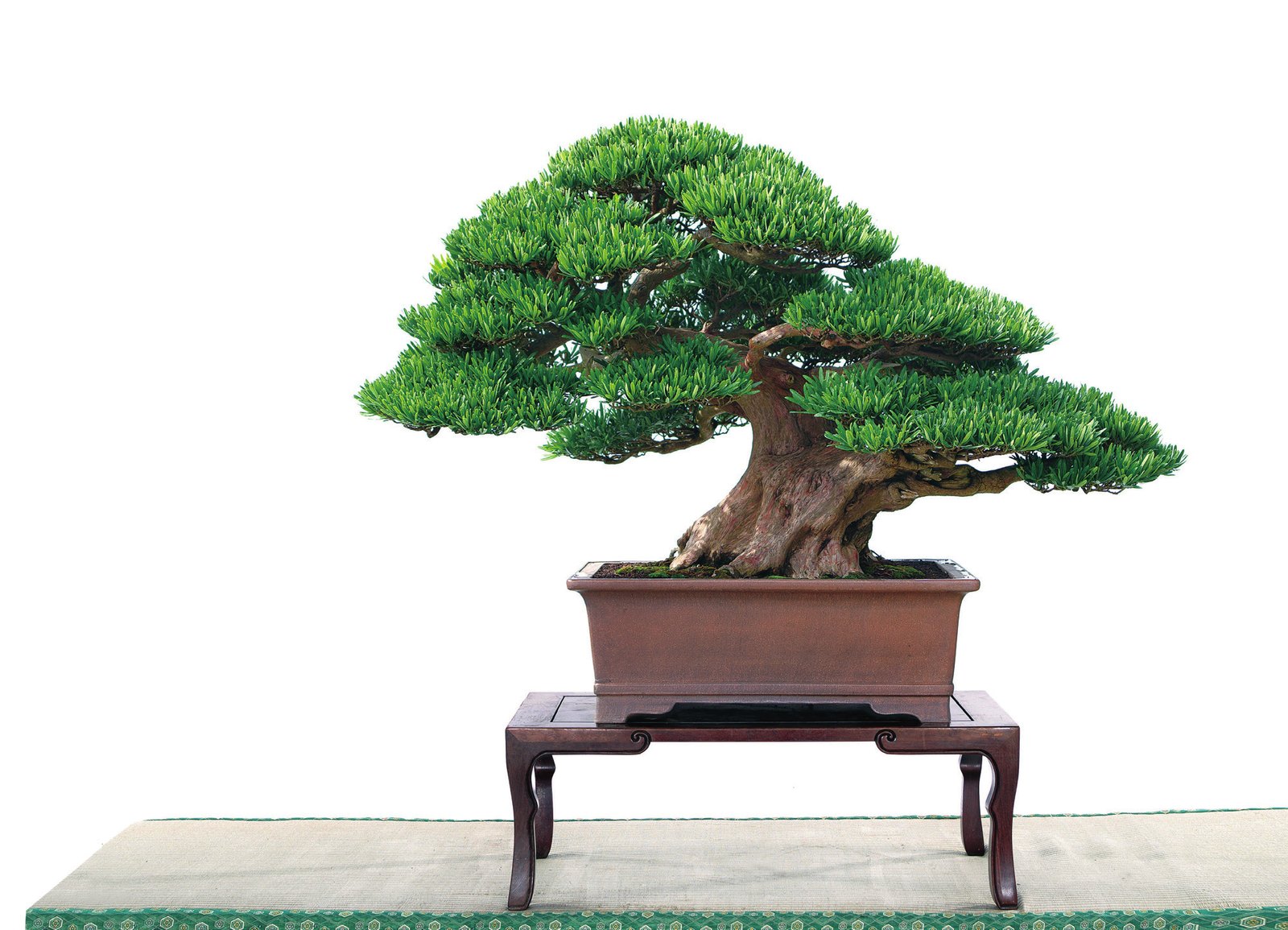
It was so amazing to see his garden and his collections. There were many trees arranged in the garden, like Juniper, Hibiscus, Ficus, Podocarpus, Muraya, Maba buxifolia, and many others. There was a hand-painted picture of a beautiful Juniper bonsai. Mr. Lee mentioned that it was his future bonsai vision of one of the trees that at that time was still in process.
In fact, it has been a long time I admire the expertise of Mr. Lee in doing bonsai. He is well respected by many bonsai lovers around the world. But, not even once has he come to Indonesia to show and share his ability in doing bonsai. Please join our “Ultimate On Fire” BCI Regional Convention on August 8 to 10, 2020, in Tangerang, Indonesia, to see Master Lee in action.